What Does a Medical Sales Recruiter Do?
A medical sales recruiter helps an employer identify, evaluate, and attract qualified candidates for open positions. Recruiters may specialize in particular industries, functions, geographies, or levels of experience.
Global Edge Recruiting® has specialized in medical sales recruiting since 1997 and recruits across medical device, pharmaceutical, biotechnology, healthcare, dental, veterinary, diagnostics, and related markets.
Understand Who the Recruiter Represents
When you work with an external recruiter on a specific search, the recruiter has been engaged by the employer. The recruiter is responsible for helping the client identify the strongest candidate for the position.
That does not mean the recruiter cannot help you. A good recruiter can provide insight into the position, interview process, hiring manager, expectations, and market.
Why Work With a Specialized Recruiter?
Medical sales recruiting is specialized. Employers may need people who understand clinical environments, complex products, hospital systems, physician practices, healthcare organizations, or consultative sales.
A recruiter who understands the industry can often evaluate your experience in context rather than simply matching keywords on a résumé.
Recruiters May Know About Opportunities You Cannot Find Online
Not every search is promoted in the same way. That is one reason relationships with specialized recruiters can be valuable even when you are not actively searching.
Present Your Accomplishments
Recruiters need specific information they can communicate to their clients. Do not simply tell a recruiter that you are a ‘strong salesperson.’ Give them evidence.
Be prepared to discuss quota attainment, revenue, growth, rankings, new business, territory size, awards, promotions, account types, product categories, and other relevant accomplishments.
Know Your Career Goals
Tell the recruiter what you are looking for. Consider geography, travel, product category, customer type, sales responsibility, management level, compensation, and career direction.
You do not need to have every detail figured out, but the clearer you are, the easier it is for a recruiter to recognize an appropriate opportunity.
Tell the Recruiter If You Are Not Interested
You do not need to accept every opportunity a recruiter presents. If a position is not right for you, say so professionally and explain why when helpful. Clear feedback helps the recruiter understand what to bring you in the future.
Respond Promptly
Recruiting processes can move quickly. If a recruiter contacts you about a position, respond as soon as reasonably possible—even if you need time to review the opportunity.
Prompt communication demonstrates professionalism and can prevent a strong opportunity from moving forward without you.
Keep Track of Opportunities
Maintain a simple record of positions a recruiter presents to you, including company, position, recruiter, date, and status. This becomes especially important because companies sometimes work with more than one recruiting firm on the same position.
Do Not Let Multiple Recruiters Submit You for the Same Position
Submitting your résumé through multiple recruiters for the same job generally does not improve your chances. It can create confusion about candidate representation and make the employer’s process more difficult.
Stay in Touch During the Interview Process
Keep your recruiter informed about interviews, questions, concerns, competing offers, timing, and changes in your availability. A recruiter may have useful information about the hiring manager and what the client values in candidates.
Use the Recruiter as a Resource
Ask thoughtful questions. What does the hiring manager value? What is the reason for the opening? What does the company want this person to accomplish? What is the interview process? What are the key challenges in the territory? Recruiters may be able to provide useful context that is difficult to learn from a job posting.
Prepare Before the Recruiter Interview
Treat an initial recruiter conversation professionally. Have your résumé available and be prepared to explain your career history, accomplishments, goals, geography, compensation, and reason for considering a move. Do not assume that because you are speaking to a recruiter, the conversation is informal or unimportant.
Be Consistent
Your résumé, LinkedIn profile, recruiter conversation, and employer interviews should tell the same basic story. Discrepancies in titles, dates, sales results, compensation, or reasons for leaving can create unnecessary concerns.
Protect Confidential Information
Never give a recruiter proprietary information that you are not authorized to disclose. You can describe your accomplishments using appropriate metrics and context without revealing confidential customer lists, pricing, contracts, trade secrets, or other protected information.
Do Not Ask the Recruiter to Misrepresent You
Never ask a recruiter to change your title, inflate your results, hide important facts, or misrepresent your experience. Your credibility is part of your professional brand. A short-term advantage is not worth damaging your reputation.
If You Are Not Selected
Ask for feedback when the recruiter is able to provide it. Not every search produces a detailed explanation, but useful feedback can help you improve. Remain professional. Today’s ‘no’ can become tomorrow’s opportunity if you leave a positive impression.
Build a Long-Term Recruiter Relationship
Do not disappear after a placement or after an unsuccessful interview. Stay in touch periodically. Let the recruiter know when your career goals change, when you achieve significant results, or when you become open to a new type of opportunity.
Thank Your Recruiter
A brief thank-you after an introduction, interview, or successful placement is appropriate and professional.
What Makes a Candidate Memorable?
Recruiters remember candidates who communicate clearly, know their numbers, understand what they want, respond promptly, prepare for interviews, follow through, treat people respectfully, and provide useful information.
Being memorable is not about being the loudest candidate. It is about being credible, prepared, professional, and easy to represent to a hiring manager.
What Global Edge Looks For
Global Edge Recruiting® focuses on matching a candidate’s talents and experience with the client’s strategic objectives for the position. Its recruiting mission emphasizes both successful placements and career growth.
For candidates, that means the strongest relationship is not simply about getting any job. It is about identifying opportunities where your experience and goals align with the employer’s needs.
A Recruiter Conversation Checklist
Before speaking with a recruiter, be ready to discuss: your current or most recent role; years of sales experience; products and markets; customer types; geography; quota and attainment; measurable accomplishments; reason for considering a move; target roles; compensation expectations; travel preferences; availability; and long-term career goals.
The Bottom Line
A recruiter is not a replacement for your job search, but a specialized recruiter can become an important part of your career network.
Be honest. Be prepared. Know your accomplishments. Know what you want. Respond promptly. Keep track of opportunities. Communicate throughout the process. And build relationships that can continue long after one job opening has been filled.
Continue Your Career Preparation
Use the Careers in Medical Sales™ resources to strengthen your résumé, professional image, interview skills, networking strategy, career plan, and job-search approach.
Global Edge Recruiting® combines those career resources with decades of specialized medical sales recruiting experience.
Suggested Internal Links
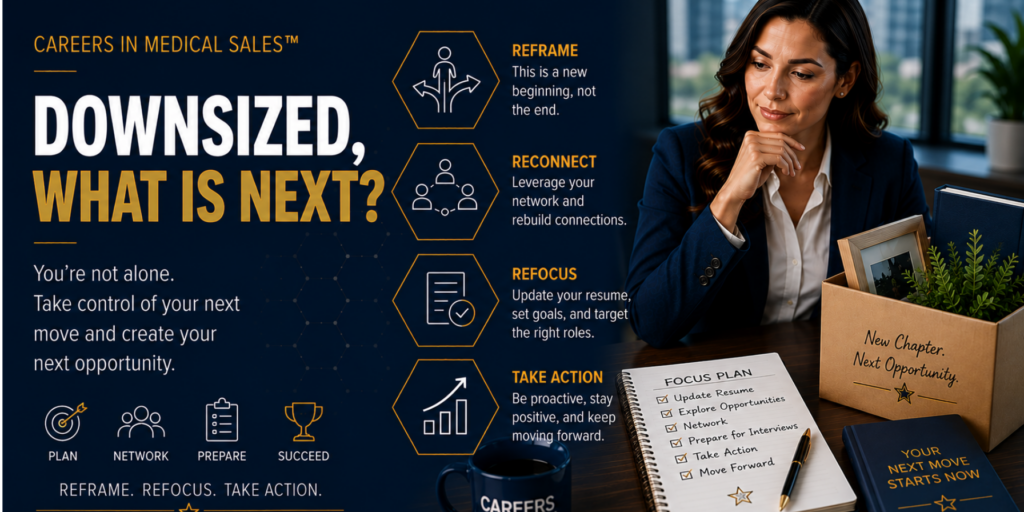
Downsized in Medical Sales: Now What?
Interviewing for a Job in Medical Sales
Develop a Winning Medical Sales Resume
Additional Career Resources in Medical Sales